Oil rises as Trump says U.S. needs no Iran deal
Oil prices rose on Thursday after President Donald Trump said the United States does not need a deal with Iran, reviving fears that the war in the Middle East will drag on and keep the Strait of Hormuz at risk.
Oil turns higher
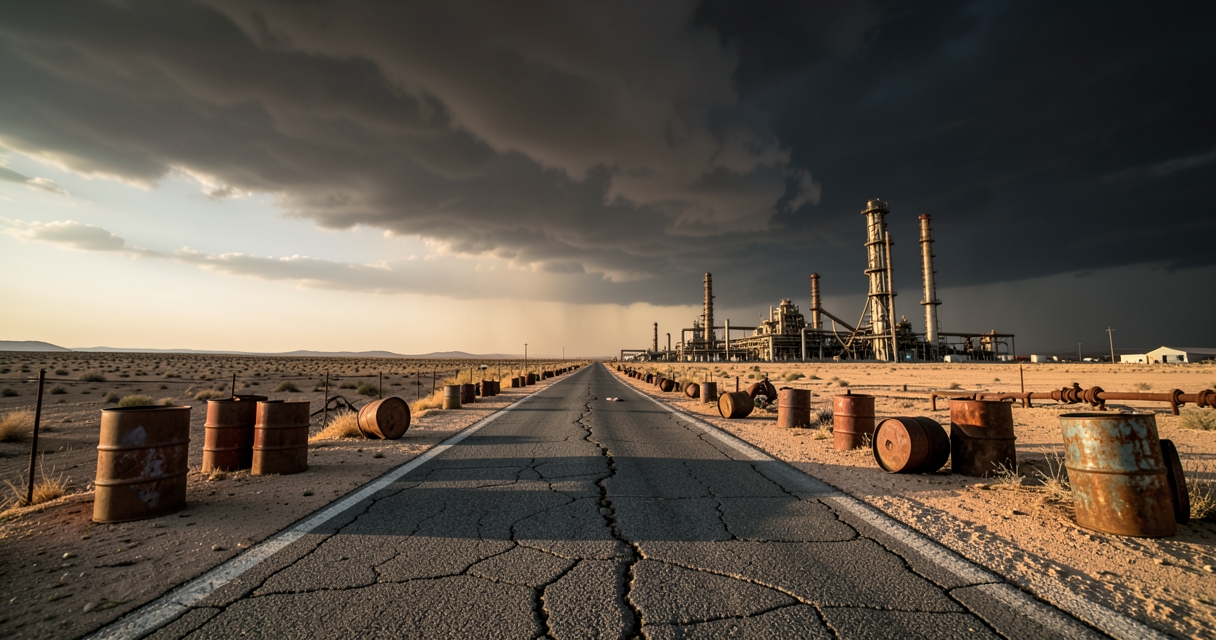
U.S. oil prices were mixed on Thursday, with crude turning higher after President Donald Trump stoked worries that an end to the U.S.-Iran war was not in sight, according to CNBC. Brent crude traded 1.1% higher at $93.73 per barrel, while West Texas Intermediate futures were up 0.3% at $86.76 per barrel.
Both benchmarks had been lower before Trump's post, and the move reversed part of a slide that followed hopes of a ceasefire after the U.S. midterm elections. WTI is down 16% in November, and Brent has lost 20%, CNBC reported.
Trump's message
Trump wrote on Truth Social on Thursday that the United States does not need a deal with Iran, saying the days when one was needed were long gone and that Washington holds hundreds of billions of dollars of Iranian money and controls their strait. The post dimmed prospects for a breakthrough to end the war in the Middle East, according to CNBC.
The shift came days after Trump said on Sunday that fresh attacks were highly unlikely as talks to end the conflict progressed, and that further military action did not appear necessary "at this point." Vice President JD Vance had taken part in indirect talks with Iran during the previous two weeks, and the Wall Street Journal reported he was considering face-to-face discussions with a senior Iranian security official, while CNN reported diplomatic talks had accelerated in recent days.
- Brent crude$93.73, up 1.1%
- WTI crude$86.76, up 0.3%
- WTI in NovemberDown 16%
- Brent in NovemberDown 20%
- End-2026 Brent forecast (OCBC)$100 a barrel
A fragile ceasefire
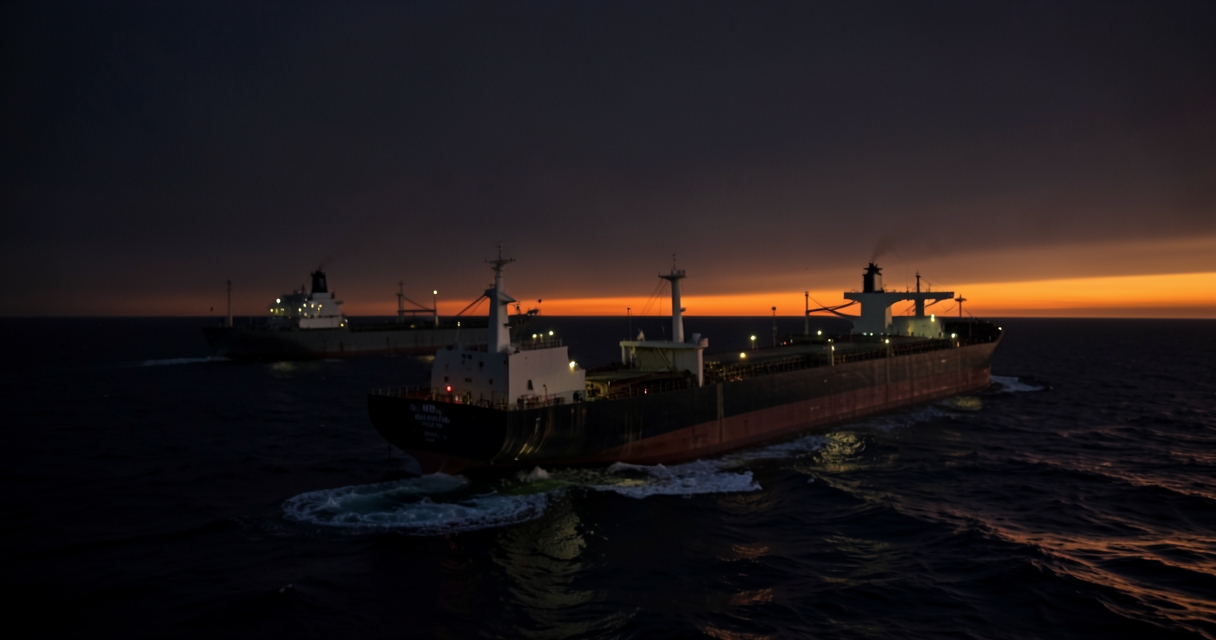
The market's calm had already been tested. Both countries have reported shipping hit in or near the Strait of Hormuz, even as talks to end the conflict progressed.
John Kilduff, partner at Again Capital, said the market may have gotten ahead of itself in pricing in a cessation of hostilities, and warned that renewed doubts about a deal would push the security premium in oil prices higher. He added that Trump's assertion that the U.S. controls the strait could spur further Iranian attacks on shipping, increasing the risk of prolonged supply disruptions.
What it means for markets
The oil move rippled beyond energy. Rising crude supported the prospect of further interest-rate rises by the Federal Reserve, helping push the 10-year Treasury yield above 5% on Thursday, according to Morningstar. Peter Cardillo of Spartan Capital said prices eased after an initial spike and that, unless there is a military strike by either side, a significant reversal in oil prices is limited at this time.
Andy Lipow, president of Lipow Oil Associates, said the president may be counting on the economic blockade to force Iran to negotiate or see its economy collapse, while Iran may keep attacking Middle East infrastructure to push prices higher and force the president to the negotiating table. He added that neither side's negotiating position has changed: Iran wants the blockade to end, sanctions lifted and a ceasefire including Lebanon, while the U.S. wants Iran to get rid of its entire nuclear stockpile and allow free transit through the Strait of Hormuz. OCBC kept its end-2026 Brent forecast at $100 a barrel, expecting tanker attacks, longer routes and scarce vessel capacity to keep delivered crude costs high.