
SpaceX catches a Starship from orbit for the first time
SpaceX caught the upper stage of its Starship rocket with the launch tower's mechanical arms after about 22.5 hours in orbit — a first for a returning spacecraft, even as the booster was lost minutes after liftoff.
One catch made, one lost
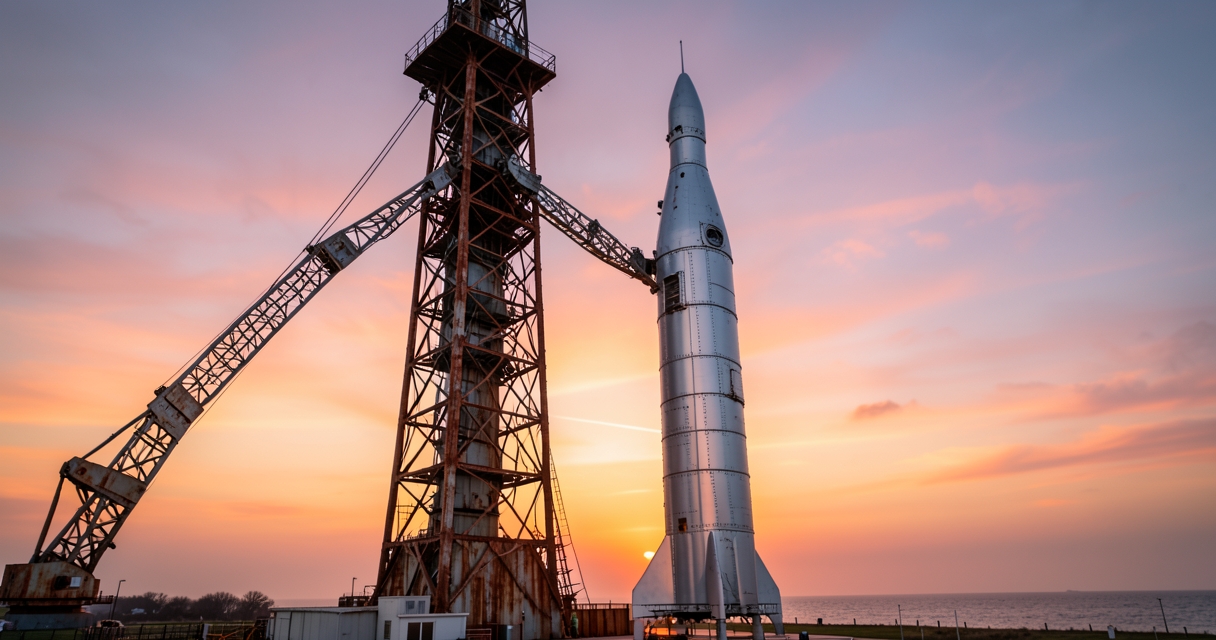
SpaceX caught the upper stage of its giant Starship rocket with the mechanical arms of its launch tower on Saturday, after the spacecraft spent about 22.5 hours in orbit — the first time a vehicle returning from orbit has been caught this way. The ship, known as Ship 42, came back down to the same Texas pad it had launched from a day earlier, at Starbase, and settled between the tower's arms, which SpaceX calls chopsticks.
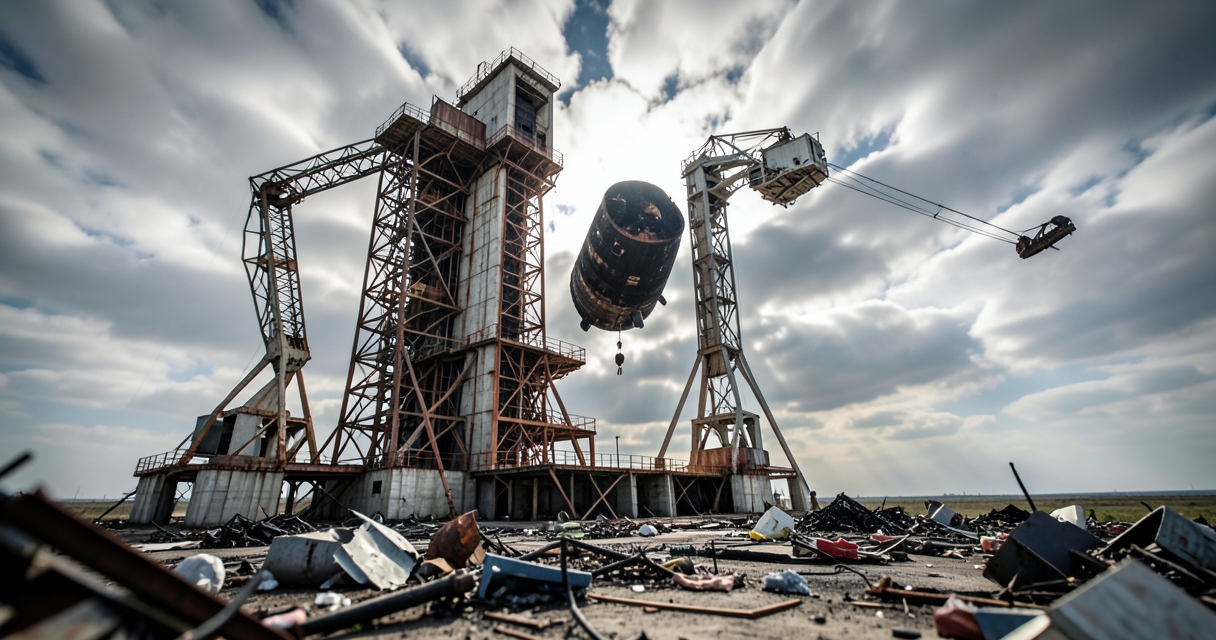
The catch was the second half of the most ambitious test yet for Starship, the largest rocket system ever built. Flight 15, which lifted off on Friday at 5:47 p.m. Eastern time, was the first attempt to catch both stages of the rocket. The first half failed: the Super Heavy booster, Booster 22, ran into a guidance and navigation problem about 10 minutes after liftoff, its engines stopped firing too early, and it was diverted to a splashdown in the Gulf of Mexico, where it exploded before hitting the water.
Fourteen laps, 26 satellites, and a long night in orbit
After separating from the booster, Ship 42 reached orbit about 27 minutes after launch and released 26 of SpaceX's newest Starlink V3 satellites. It then circled the planet 14 times at an altitude of about 161 miles, or 260 kilometres, streaming live views of Earth back through the Starlink network. The flight lasted about 22.5 hours, making it the longest Starship mission yet and only the second time a Starship has reached orbit — the first, in September, lasted about 3 hours.
SpaceX said the ship's systems, including its heat shield, appeared to work well during the return. After firing an engine to begin the descent, the ship fell back through the atmosphere at orbital speed, flipped upright, and eased into the tower's arms on Saturday afternoon, about 4:20 p.m. Eastern time. Musk posted video from the tower inspecting the ship afterwards, and engineers began examining it within hours of the catch.
Why the catch matters
Catching the upper stage is a step toward the fully reusable rocket SpaceX has spent about a decade building. Until now, the company had caught its Super Heavy booster 3 times with the tower, most recently in March 2025, but the ship itself had always been discarded after its flights. Recovering it at the launch site could let SpaceX inspect, refuel and fly the same vehicle again far faster than building a new one.
The stakes go beyond Starship itself. The rocket is the vehicle SpaceX plans to use to expand Starlink, its satellite internet business, which the company calls its profit centre: the constellation already has more than 11,000 satellites in low Earth orbit, and one Starship can carry up to 60 of the newest Starlink V3 satellites. NASA also expects Starship to carry astronauts and cargo between lunar orbit and the lunar surface, and Musk has said he wants the rocket to carry people to Mars. SpaceX plans to start flying Starship from Florida within months, as part of preparations for a practice flight in Earth orbit for the Artemis programme.
- 14Orbits around Earth before the catch
- 26Starlink V3 satellites released in orbit
- 22.5 hoursTime from liftoff to the catch
- 161 milesOrbital altitude, about 260 kilometres
- 3Super Heavy boosters caught before, most recently in March 2025